
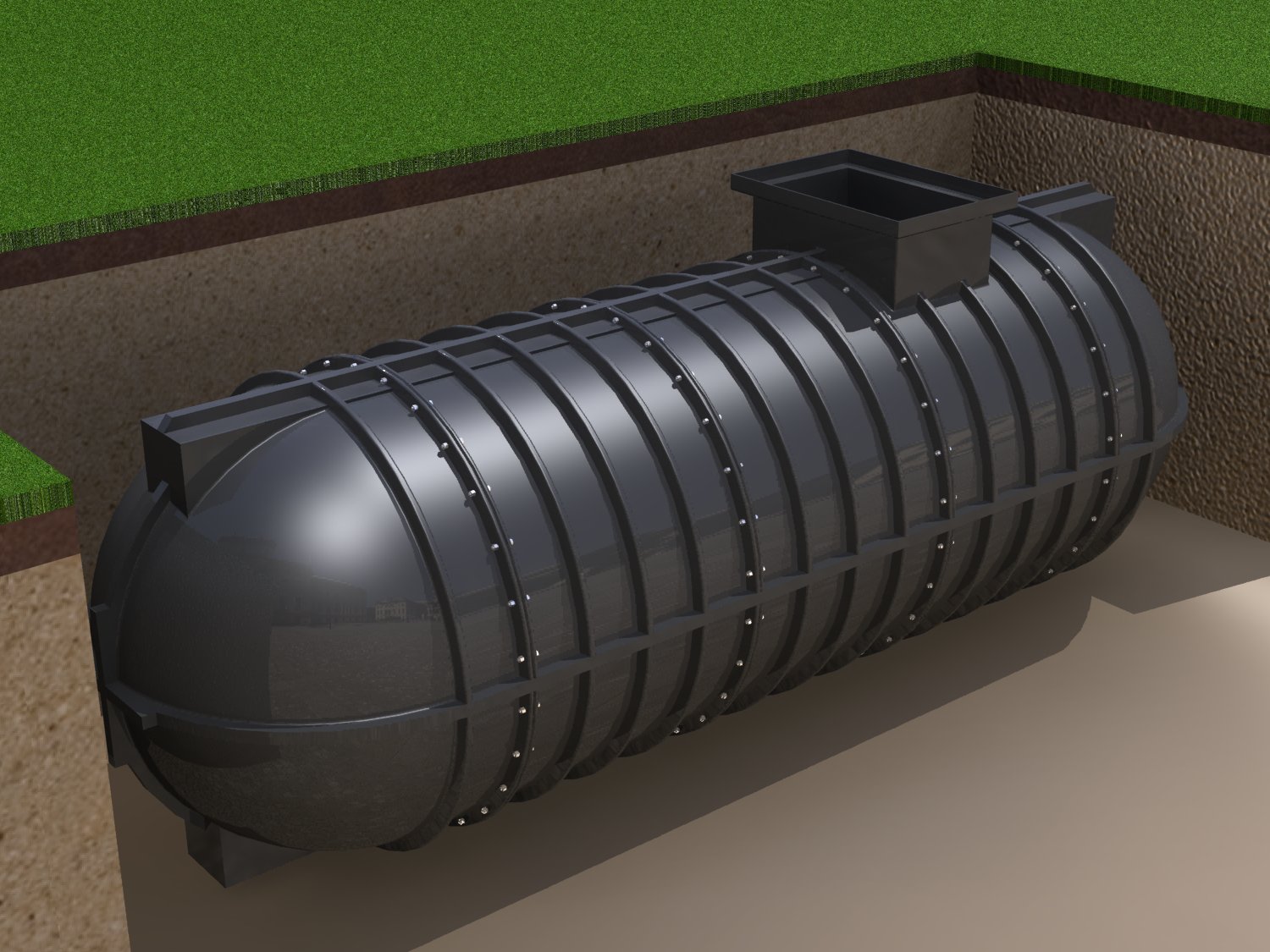
In a time when water conservation and space efficiency are at the top of the global agenda, the need for more innovative storage solutions has never been greater. For the home, business, or farm, underground water tanks have become the industry leader for unobtrusive, long-lasting, and large volume liquid storage.
Moving into 2026, the shift toward underground plastic tanks is accelerating. Unlike traditional concrete or steel alternatives, modern underground polyethylene tanks offer a unique combination of corrosion resistance, ease of installation, and long-term cost-effectiveness.
This guide provides an in-depth analysis of why these systems are the preferred choice for modern infrastructure, how to install them correctly, and their diverse applications across various industries.
The Rise of Polyethylene in Underground Storage
The shift from traditional materials to polymers is due to the fact that concrete and metal are fundamentally flawed. Concrete can crack with shifting ground and steel can rust and chemically react when buried in earth.
Through cutting edge material science, the problems with underground polyethylene tanks are resolved. High density polyethylene (HDPE) or Linear Low Density Polyethylene (LLDPE) used in these tanks are non-porous and chemically inert. That prevents the tank from leaching chemicals into the water and being “eaten” from the inside by acidic or alkaline conditions of the soil.
Key Advantages of Plastic Over Concrete
- Seamless Construction: Most underground water tanks plastic models are rotationally molded. This creates a single, seamless piece with no joints or grout lines that could potentially leak.
- Lightweight Strength: They are so strong, yet plastic storage tanks underground weigh a fraction of concrete. This reduces the cost of shipping and makes it possible to install them in remote locations without the assistance of heavy-duty cranes.
- Flexibility: Polyethylene has a natural “flex” that allows it to withstand minor seismic movements or soil expansion/contraction without fracturing.
Top Benefits of Underground Plastic Tanks
When considering underground water storage tanks, the benefits extend beyond just “hiding” the water.
- Space Optimization & Aesthetics: One of the best benefits of underground tank systems is the recapture of precious space aboveground. When you put your storage tank underground, you gain space for parking, landscaping, or a new building, and your bulky equipment is hidden.
- Superior Corrosion Resistance: In contrast to steel tanks which rust or concrete tanks which leach lime and break down, underground plastic tanks are constructed from chemically inert HDPE. This means that it will not deteriorate if buried within the wet soil or in the presence of acidic underground water and it will retain its strength for many years.
- Natural Temperature Regulation: Soil is a good thermal insulator. The water in the underground water storage tanks keeps a steady, cool temperature all year. The “bathwater” effect in above-ground tanks in summer is avoided, and this strongly reduces the proliferation of algae and bacteria.
- Leak-Proof Seamless Design: Superior underground water tank plastic products are made by employing the rotational molding process, which enables the formation of a spherical one-piece continuous hollow plastic mold. Since there are no seams, joins or grout lines, the risk of material leaks – typical of modular or concrete systems – is nearly non-existent.
- Ease of Transport and Installation: Because polyethylene underground tanks are light in comparison to traditional tank materials, they won’t necessitate the use of heavy-duty cranes or specialized transport vehicles. This reduces mobilization cost significantly, and makes it possible to install on remote or tight-access urban sites.
- Extreme Durability and Flexibility: Polyethylene has a unique ability to “flex” under pressure. This allows the tank to withstand the natural shifting of the earth or minor seismic activity without fracturing. Modern underground plastic tanks are engineered with ribbed walls to handle heavy soil loads, ensuring a lifespan that can exceed 30 to 50 years with minimal maintenance.
2026 Installation Best Practices
Installing underground water storage tanks is a job that requires accuracy. Since the tank is under “external hydrostatic pressure” (soil and groundwater weight resting on the outside of the tank), a firm no-excuses policy of following the tank installation method guides is enforced.
Step 1: Site Selection and Excavation
Wide enough hole for proper backfill is needed . Ensuring the base is level and compacted is vital. The majority of underground polyethylene tanks need a layer of sand or pea gravel to help keep sharp rocks from puncturing the shell.
Step 2: Managing Buoyancy
Under high water table conditions an empty tank can act like a boat and literally “pop” out of the ground. Most modern underground tank systems do feature anchor points or require a concrete anchor to secure the tank during periods of high groundwater.
Step 3: Backfilling correctly
Don’t ever backfill underground water tanks plastic with the soil you’ve just taken out unless it’s clean, drainable sand. Heavy clay or boulders can cause “hot spot” pressures that can deform your tank. You have to fill the tank with water as you backfill, too, in order to equalize the pressure inside and out.
Diverse Uses Across Sectors
Residential Rainwater Harvesting
Homeowners are increasingly utilizing underground water storage tanks to capture runoff from roofs. This water can be used for irrigation, flushing toilets, or even laundry, drastically reducing municipal water bills.
Commercial and Industrial Fire Protection
Many commercial structures are required by law to have a separate fire-suppression water reserve. Underground plastic tanks also offer a dependable, out-of-sight reserve that complies with safety codes and doesn’t mar the look of your building.
Agricultural Irrigation
Farmers take advantage of polyethylene underground tanks to store nutrient rich water or wastewater that has been treated for use in drip irrigation systems. Being under the ground prevents the evaporation loss in the open ponds.
Stormwater Management and Detention
Often, urban developments will be subject to stringent control of their stormwater runoff in order to prevent flooding of local streets. Underground tank systems function as a detention unit, temporarily capturing peak flow amounts during rain showers, and gradually releasing the stored water into municipal drainage systems. This “buffering” effect protects the infrastructure and prevents soil erosion, while not displacing surface land that could be used for parking or green space.
Potable Water Reserves for Remote Areas
In areas where there is no municipal water facility or the infrastructure cannot be relied upon, underground polyethylene tanks are the life line for storing potable water. Whilst underground, the water is protected from the harsh Middle Eastern climate which causes the build up of bacteria and the “plastic taste” that most people associate with the sun-drenched, above ground tanks. This is why they are a favored option for luxurious remote desert retreats and work camps.
Graywater Recycling Systems
Sustainability-focused commercial projects are increasingly incorporating underground water tanks plastic to store treated graywater from sinks and showers. This recycled water is then redirected for use in cooling towers or industrial cleaning processes. By moving this recycling infrastructure underground, facilities can maintain a high LEED rating and reduce operational costs while keeping the treatment and storage components completely discreet.
Maintenance and Longevity
One of the best features of underground plastic tanks is their low-maintenance nature. Since they are shielded from sunlight, algae growth is virtually non-existent. However, periodic checks are recommended:
- Filter Cleaning: If used for rainwater, ensure the inlet filters are clear of debris.
- Visual Inspection: Every few years, check the manhole/access port for any signs of sediment buildup.
- Pump Maintenance: Ensure the submersible pump or suction lines are functioning at peak efficiency.
- Structural Integrity & Surrounding Soil
Although underground polyethylene tanks are made for long-lasting durability, it is advisable to inspect the tank site after severe weather. Look for any major soil erosion or settling near the manhole lid. Keeping the “backfill” stable avoids applying uneven pressure on the tank walls, ensuring its structural stability and preventing it from bowing for decades.
- Sediment Removal (Desludging)
A small amount of sediment may accumulate on the bottom of underground water storage tanks over the course of a few years, especially if the tank is used for rainwater harvesting. To keep water quality high and your pump from getting clogged, have it professionally “desludged” or vacuum the bottom of the tank every 5-10 years. This basic maintenance will ensure that your underground tank system continues to deliver clean, debris-free water for all your uses.
Conclusion:
Looking forward to the infrastructure requirements in 2026 and beyond, underground water tanks represent a committed, long-term investment. Selecting underground plastic tanks means you have selected a material that is engineered to last for decades rather than requiring the maintenance headaches of older technologies.
Whether you are looking for underground polyethylene tanks for a residential project or a large-scale industrial underground tank system, Polycom Plastic Industries offers the engineering expertise and high-quality products needed to secure your water future.
