
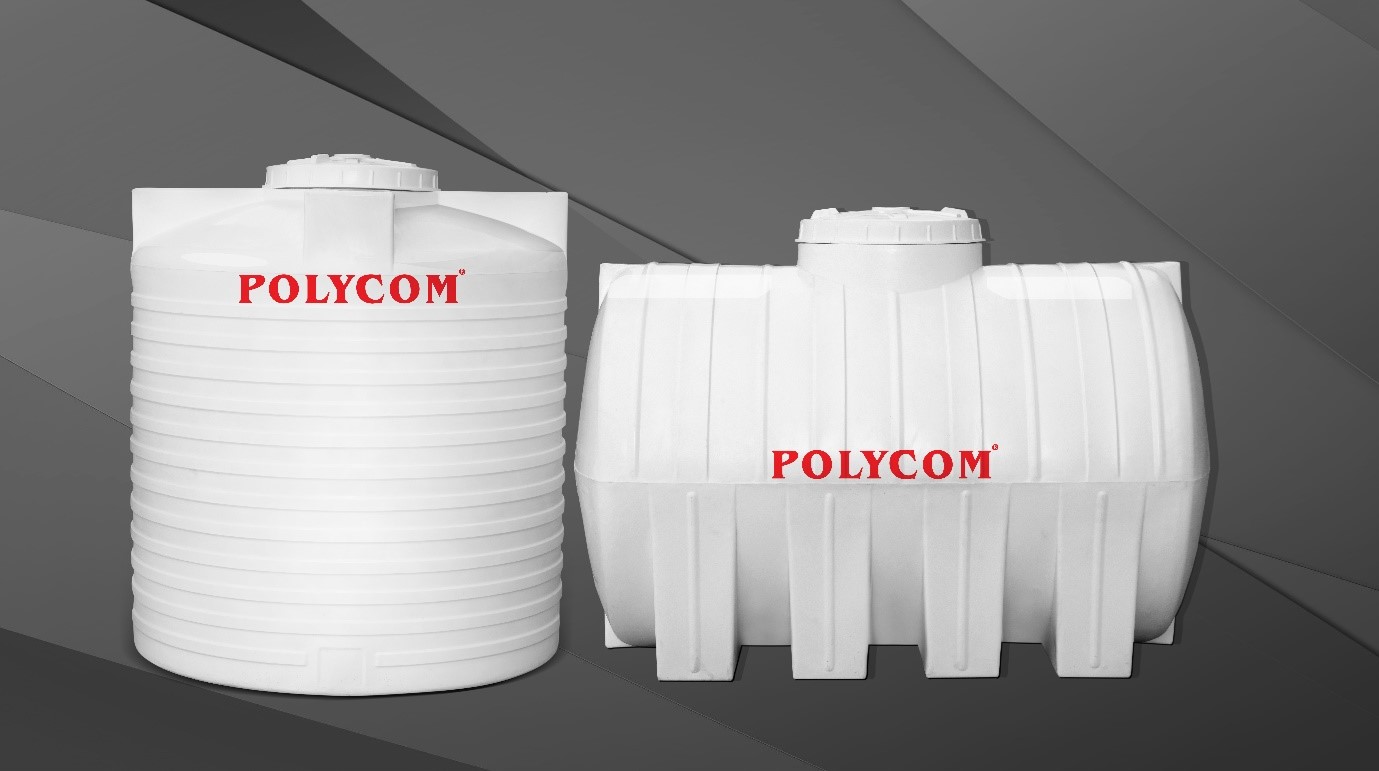
Reliable water storage is essential for residential, commercial and industrial properties across the UAE. As available land becomes more valuable and properties increasingly require efficient use of space, storing water below ground can be a practical solution. Underground polyethylene tanks provide a convenient way to create substantial water storage capacity without occupying valuable surface areas.
Quick Answer: Underground polyethylene tanks are durable water-storage solutions designed to be installed below ground, helping residential, commercial and industrial properties maximise available space. Made from corrosion-resistant polyethylene, these tanks offer low-maintenance storage and can be used for domestic water, irrigation, backup supplies and various commercial applications. Proper tank selection, excavation, bedding, backfilling, pipe connections and professional installation are essential for reliable long-term performance.
Polyethylene is extensively utilized for applications in the ground due to its light weight, strength, corrosion resistance and resistance to challenging environmental conditions. Rust, corrosion and too much maintenance are mitigated with modern tanks constructed of high-density polyethylene (HDPE) that offer secure water storage. From villas and apartment buildings to commercial facilities, farms and industrial sites, underground storage can support a variety of water management requirements.
What Are Underground Polyethylene Tanks?
Underground polyethylene tanks are specifically made from tough polyethylene, typically HDPE, and made for ground level storage. Seamless tank structures can be created through rotational moulding, helping to reduce possible weak points and leakage.
These systems are placed in an appropriately dug trench and are connected to the property water inlet, outlet, overflow and ventilation systems, as opposed to above ground tanks. Another advantage of their underground placement is that they protect the water stored beneath them from direct sunlight, and they have less equipment around a property that can be seen.
How Do Underground Polyethylene Water Tanks Work?
When properly installed, an underground tank will accept and hold water via a connected inlet system. The water stored can then be pumped or gravity fed to the desired location as needed for the application.
Care should be taken when excavating to the correct dimensions, digging the surface to the correct ground conditions, bedding, backfilling, pipe connections and access. The soil around the tank should be right but not so tight to cause pressure on the tank. For that reason, the assessment and installation of the system must be done professionally, especially for larger systems.
Key Takeaway: A high-quality tank can only perform as intended when the installation environment is properly assessed and prepared. Site conditions, tank specifications and installation procedures should always be considered together.
Why Choose Polyethylene for Underground Water Storage?
Polyethylene has a number of properties that would make it appropriate for subsurface water storage. It will not rust like ordinary steel and is resistant to many chemicals and can be used in places where the soil moisture or salts have the potential of damaging other materials.
Underground water tanks UAE projects can also benefit from the material’s relatively low weight. Compared with some heavier tank materials, polyethylene can be easier to transport and handle during installation. Its smooth internal surface can also make cleaning and inspection more straightforward.
Key Benefits of Underground Polyethylene Tanks
The main advantages include:
- Durability: Quality polyethylene tanks are designed to withstand demanding operating conditions and ground environments.
- Leak-resistant construction: Seamless rotationally moulded designs can minimise joints and potential leakage points.
- Low maintenance: Polyethylene does not require painting or rust treatment, reducing routine maintenance requirements.
- Efficient space utilisation: Underground installation leaves the surface available for landscaping, parking or other property uses.
- Versatile capacity: Tanks can be selected according to the property’s available space and water-storage requirements.
Corrosion and Chemical Resistance
Corrosion resistance is one of the greatest advantages of polyethylene. Moisture, salts and some soil conditions can cause rusting of metal tanks. Polyethylene is not susceptible to rusting.
This is because a polyethylene underground water tank may be a beneficial choice for sites with soil and groundwater conditions that might pose corrosion issues. But, tank selection must always take into account the intended use, the liquid to be stored and site conditions.
Space-Saving Advantages of Underground Tanks
Underground storage can offer great practical benefit for properties that don’t have lots of outdoor room. The storage system may be installed under appropriate areas of the property rather than having to occupy a big space in the above ground section.
When the installation is designed to allow for use of the surface above the tank for appropriate uses, the surface may continue to be available. This can be especially beneficial for villas, apartment developments, commercial properties, parking spaces, and landscaped spaces.
Underground Polyethylene Tanks for Residential Properties
Underground storage may be utilized for several applications on residential properties such as back-up water supply storage or for irrigation or general water management. For villas with only limited outside space, it might be useful to have the primary storage system underground.
But well-planned storage can also offer extra water space without impacting too much on the property. Access and inspection points can be strategically placed to facilitate maintenance without compromising the installation.
Commercial and Industrial Applications
Business and industrial buildings may have greater and more complicated water storage needs. Domestic water storage, storage for irrigation and other such uses, process water storage, and storage for firefighting may be required at hotels, offices, warehouses, factories, retail facilities and other developments.
HDPE underground water tanks can be considered where durability, corrosion resistance and efficient use of space are important. Agricultural properties may also use underground storage to support irrigation and water-reuse systems, subject to the requirements of the particular application.
Factors to Consider Before Installing an Underground Tank
Choosing the correct tank involves several considerations:
- Required storage capacity
- Available installation space
- Soil and groundwater conditions
- Excavation depth and accessibility
- Intended water application
- Inlet, outlet and overflow connections
- Access for future inspection and cleaning
- Local building and plumbing requirements
- Potential surface loading above the tank
- Installation and backfilling requirements
For larger projects, contractors, developers and facility managers should evaluate the site and technical specifications before selecting a tank.
Underground Tank Installation: Key Considerations
An underground tank is only as strong and long-lasting as its installation. Excavation should allow adequate working space and the bottom should be adequately prepared to allow for level and stable support.
Backfilling should be done carefully and progressively, using appropriate material and positioning the tank. The pipe work, access openings and ventilation should be installed based on the design of the system. Additional structural protection may be required where loading is likely to occur from vehicles over the area where the tank is installed.
Prior to normal service, connections and tank should be checked for possible leakage or installation issues. Bedding, backfilling or loading conditions can be important for tank performance and professional installation is highly recommended.
Maintenance and Cleaning of Underground Water Tanks
While polyethylene needs relatively little maintenance, underground storage systems cannot be overlooked. Sediment, debris, broken fittings, blockage of vents or other problems can be identified through regular inspections.
The cleaning frequency will vary with the quality and source of the water which is stored in the tank and the use to which it is put. Access openings should be maintained to be open and easily available for inspection. In drinking-water systems, appropriate cleaning and hygiene procedures should be used to maintain the quality of the water.
Polyethylene vs Other Underground Tank Materials
Various materials have various benefits. Steel can be used for structural strength but might require corrosion protection and maintenance. Fibreglass can be long lasting, but may be more prone to damage in some installation and/or soil conditions.
Polyethylene offers a blend of relatively low weight, corrosion resistance and seamless construction and practical handling. For many residential and commercial applications, underground plastic water tanks are an attractive choice, as long as the tank is properly sized and installed for the job.
Comparison of Common Underground Tank Materials
|
Factor |
Polyethylene |
Steel |
Fibreglass |
|
Corrosion resistance |
High |
Requires protection |
High |
|
Weight |
Relatively lightweight |
Heavy |
Moderate |
|
Rust concerns |
No |
Possible |
No |
|
Maintenance |
Generally low |
May be higher |
Generally low |
|
Installation handling |
Easier to handle |
More demanding |
Moderate |
|
Typical applications |
Residential, commercial and industrial |
Heavy-duty applications |
Various storage applications |
Actual performance depends on product design, site conditions, installation and intended use.
Important: Material selection should not be based on price alone. Capacity, ground conditions, structural requirements, water application, installation method and long-term maintenance should all be assessed before making a decision.
How to Choose the Right Underground Water Tank
The first step is to calculate the needed storage volume according to the amount of water that is needed, the size of the property, the application and the available water supply. Then, evaluate physical installation space, such as excavation depth, access and surrounding structures.
Other areas to consider include the quality of the material, construction of the tank, fittings, access openings, warranty, support from the supplier(s), and installation skills. If the project is large, contractors and developers should look at technical specifications and site requirements before deciding on the tank.
Why Choose Polycom Plastic Industries?
Polycom Plastic Industries offers reliable polyethylene water-storage solutions designed for residential, commercial and industrial applications. Its tanks are manufactured with durability, corrosion resistance and practical long-term performance in mind, making them suitable for demanding storage requirements.
With a focus on quality products and application-specific solutions, Polycom Plastic Industries supports customers in selecting suitable water-storage options based on capacity, space and project requirements. This makes it a practical choice for businesses, contractors, developers and homeowners seeking dependable underground storage solutions.
Conclusion
Underground polyethylene tanks offer a durable, space-saving solution for residential, commercial and industrial water storage. Their corrosion resistance and low-maintenance construction make them a practical choice for long-term underground applications.
Looking for reliable underground water tanks UAE solutions? Explore Polycom Plastic Industries’ polyethylene underground water tank range to find the right option for your project.
