
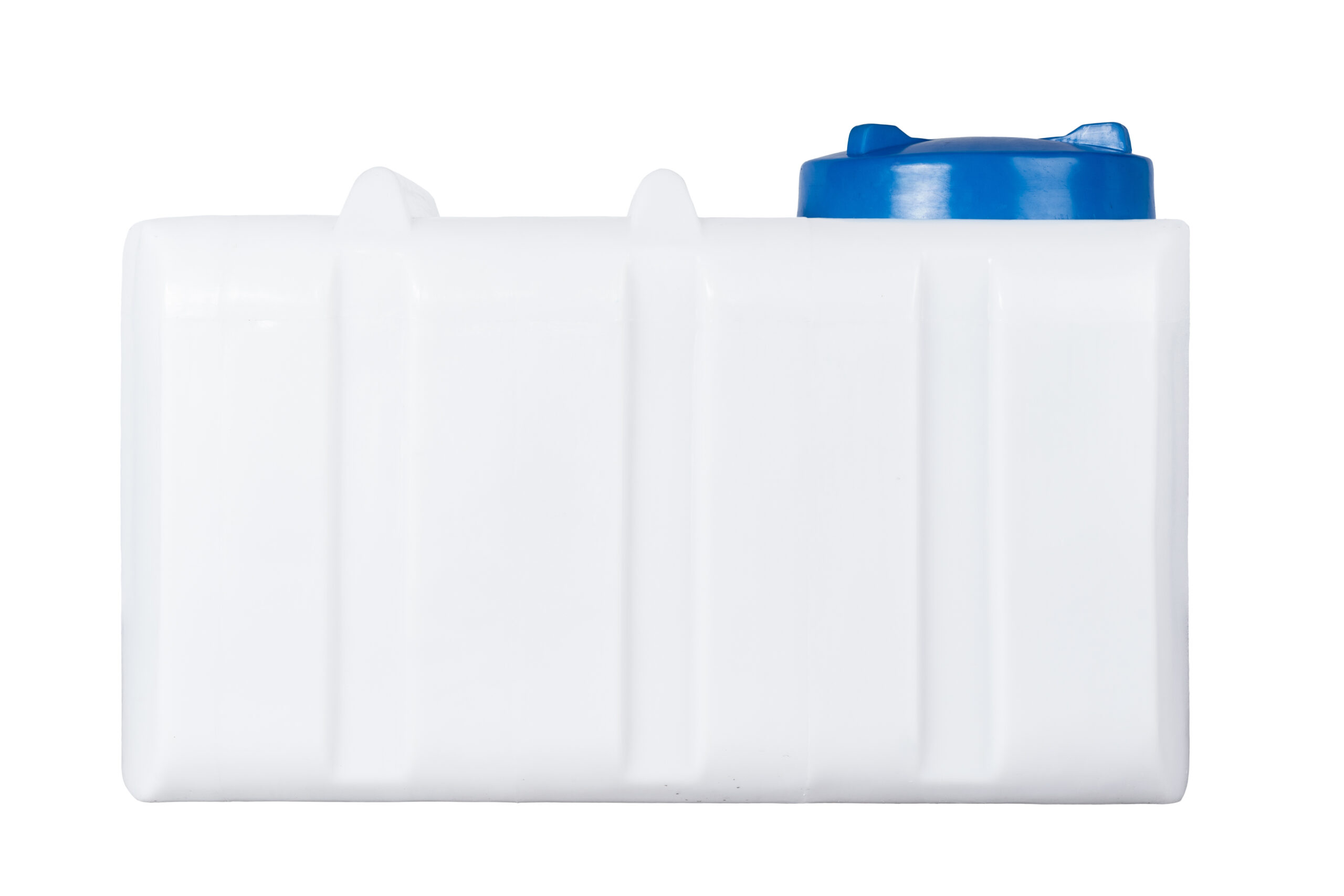
Choosing the right GRP water tank supplier in the UAE requires more than comparing tank prices. Buyers should check the supplier’s manufacturing capabilities, potable-water approvals, material quality, customization options, installation support, warranty, and local experience. A supplier that can demonstrate consistent manufacturing standards and provide suitable documentation can reduce installation problems and long-term maintenance costs.
Quick Answer: Before requesting a quote, verify whether the supplier manufactures or resells the tanks, ask for potable-water certification, check the resin and gelcoat specifications, confirm the required capacity and installation method, and review warranty and after-sales support. For larger projects, also check fire-retardant, chemical-resistance and customization options.
Why the Right Supplier Matters More Than the Right Material
GRP is widely used for water storage because it offers strength, low weight and corrosion resistance. However, tank quality depends on more than the material itself.
Factors such as resin, reinforcement, gelcoat, manufacturing and installation can affect performance and durability. That is why choosing a reliable supplier is just as important as choosing GRP.
Key Takeaway: Don’t compare GRP tanks on price alone. Compare the supplier’s manufacturing process, specifications, approvals, installation capability, warranty and after-sales support as well.
Things to Check Before Choosing a GRP Water Tank Supplier in UAE
- Manufacturer or Reseller?
When comparing GRP water tank manufacturers in the UAE, check whether the company handles manufacturing in-house or sources its tanks from another producer.
Standard requirements may also be applicable to resellers, but the buyer should be aware of who is the manufacturer and where it is being made. This is particularly helpful when you need to have custom dimensions or project-specific requirements.
- Potable-Water Certification
When the tank is to be used for drinking water, see if the materials and completed tank meet potable-water standards. Request the supplier to provide relevant certificates, approvals or test documentation prior to placing an order.
Avoid relying only on terms such as “food grade.” Confirm that the documentation applies specifically to the tank, its construction and the materials being offered for your project.
- Check Resin and Gelcoat Quality
The durability and performance of a GRP tank may be affected by the quality of resin and gelcoat used. Inquire with the plastic tank manufacturers in the UAE regarding the sort of resin utilized, the specification of the gelcoat, and if the tank is built for its aim application location.
An isophthalic gelcoat, anti-fungal layers and UV-resistant construction can be added to specifications for demanding applications. The right mix will depend on the indoor or outdoor, underground/cement, and industrial setting environment in which the tank is to be installed.
- Confirm Capacity and Customization
Before asking for a quote, make sure you know how much storage space you need, how much space you have and what type of tank setup you prefer. A range of requirements from smaller tanks to large systems, up to several hundred thousand liters.
Inquire if the supplier offers options for dimensions, sectional options, modular options, on-ground, on-under or overhead options, and custom openings, connections and accessories. This can be advantageous for projects that have either small or atypical installation areas.
- Check Installation and Aftercare
The tank is only one part of the complete installation. Final performance of the system can be impacted by the assembly, piping, connections and associated equipment used when building the site.
Inquire if they do the installation or a contractor is responsible; if it is delivered and installed, ask if it is tested and commissioned as part of the quote. In larger projects, it may be easier to coordinate a single provider to supply and install the project, versus involving multiple vendors.
- Review Local Experience
Knowing a supplier’s track record can give you an idea of their experience in projects with comparable scope. Seek out evidence of local installations, completed projects and experience with commercial or industrial use for your needs.
Polycom, for instance, has been in the market since 2002 and has over 20 years of experience in the UAE market. When choosing suppliers, this local experience should be taken into account, as well as their manufacturing and installation skills.
- Consider Industrial Requirements
Specifications for water storage may go beyond standard water storage for commercial and industrial uses. Depending on the surroundings, buyers might require a building that will withstand fire or resist chemical corrosion, or with other special requirements relative to the project.
Prior to choosing a tank, describe what is to be stored and the site location and environment to which it is to be exposed. This enables the supplier to suggest the right specifications which are appropriate for the real application.
- Examine Warranty and Support
Don’t evaluate a quotation based only on the tank price. Check the warranty period, what it covers and whether repairs or service can be provided locally if an issue occurs after installation.
If you have to, inquire about accessories and supporting equipment like level indicators, pumps and agitators. A reliable after-sales service can help make maintenance simpler during the service life of the tank.
Supplier Comparison Checklist
What to Compare | What to Ask | Why It Matters |
|---|---|---|
Manufacturing | Do you manufacture the tank in-house? | Establishes who controls production |
Certification | Is it approved for potable-water use? | Confirms suitability for drinking-water applications |
Materials | What resin and gelcoat are used? | Helps assess construction quality |
Capacity | What sizes and configurations are available? | Ensures the tank fits project requirements |
Installation | Is installation provided? | Reduces coordination between contractors |
Customization | Can dimensions and connections be modified? | Useful for project-specific requirements |
Warranty | What does the warranty cover? | Clarifies post-purchase protection |
After-sales | Are repairs and accessories available locally? | Supports long-term maintenance |
Questions to Ask a GRP Tank Supplier Before You Get a Quote
If you are comparing grp tank suppliers in Dubai, send the same technical questions and specifications to each supplier so that the quotations can be compared fairly.
You can copy and adapt these questions for an RFQ:
- Is the tank approved or certified for potable-water storage, and can you provide the relevant documentation?
- Do you manufacture the tank in-house, and what manufacturing process is used?
- What resin, gelcoat and reinforcement specifications are included in the quoted tank?
- What is the maximum operating temperature rating for the proposed tank?
- Does your quotation include delivery, installation, testing and commissioning?
- What warranty is provided, and what after-sales or repair support is available?
For industrial projects, add questions about chemical exposure, fire-retardant options, operating conditions and any required project-specific certifications.
Red Flags That Signal a Low-Quality Supplier
Not every low quotation indicates poor quality, but certain warning signs deserve closer investigation.
No Clear Manufacturing Information
If a supplier cannot clearly explain who manufactures the tank, where it is produced or what materials are used, ask for additional documentation before proceeding.
No Certification Evidence
For potable-water applications, vague claims about compliance without supporting documents should be treated cautiously.
Unusually Low Pricing
The big variation in price could be due to the specification of materials, thickness, accessories, installation or warranty. Don’t use the lowest number right off the bat; use a line-by-line comparison of quotations.
No Installation or After-Sales Support
Supply-only vendors may be appropriate for experienced contractors, but project owners should understand who will handle installation, repairs and replacement components.
Buyer Tip: Ask every shortlisted supplier to quote against the same specification. Comparing identical capacity, material requirements, accessories, delivery and installation terms gives you a much clearer picture of the actual cost.
Why UAE Businesses Choose Polycom as Their GRP Water Tank Supplier
While price is a crucial consideration, businesses looking for the best GRP water tank company in UAE should also take into account factors like manufacturing experience, after-sales support, and capability to install the water tank.
- 20+ years of UAE experience – Operating in Ajman since 2002, with extensive local industry experience.
- In-house manufacturing – GRP tanks are manufactured using the hand lay-up process.
- Wide capacity range – Solutions available for different commercial and industrial water-storage requirements.
- Customised solutions – Tank configurations can be adapted to specific project and site requirements.
- In-house installation – Installation support is provided by Polycom’s own team.
- Industry-focused solutions – GRP tanks designed for various commercial and industrial applications.
- Technical support – Assistance with tank selection, specifications and project requirements.
- After-sales support – Support for maintenance, accessories and ongoing tank requirements.
Frequently Asked Questions
Consider the supplier’s manufacturing capability, potable water certification, material specifications and installation experience. Then contrast capacity, warranty and accessories and also after sales assistance with the requirements of your job.
No. If the tank is constructed from GRP, the tank itself does not guarantee that it can be used for drinking-water storage. Request the necessary potable-water approval or certification and ensure that it applies to the proposed tank construction and materials.
Both can work for the project, but the buyer should be aware of the manufacturer of the tank. Direct manufacturers can provide more transparent information on materials, manufacturing processes, customization and technical support, whereas resellers can provide access to standard products from various manufacturers.
The quotation should contain the following: capacity of the tank, dimensions, material properties, accessories, delivery conditions, installation, test/commissioning conditions, warranty and taxes. In the case of industrial projects, it should also specify any special chemical resistance and fire-retardant requirements.
Conclusion
Choosing the perfect GRP water tank supplier in the UAE isn’t just about the price; it’s about the right choice. This should include manufacturing capability, potable-water certification, resin and gelcoat quality and capacity, customization, installation, warranty and after-sales service.
A clear RFQ simplifies the process as all suppliers will be judged based on the same criteria. When looking at GRP water tank manufacturers in the UAE or when asking for quotations from water tank suppliers it’s best to find a tank and service that fits the technical, operational, and installation needs of the project.
